A Fusion: What Features to Pick?
Horizontality is a way of keeping architecture close to the land, the horizon, and the human body. Both the prairie and the bozkır suggest buildings that extend outward rather than rise only to impress. In cities, this can mean stepped blocks, long terraces, and street walls that preserve human scale. In rural areas, it means buildings that sit on the land gently and do not overpower it.
A home should breathe. Both traditions value direct access to open air, light, and greenery, whether through gardens, yards, or semi-open thresholds. In cities, this can be translated into inner courts, shared greens, balconies that actually work, and ground floors that open outward. In rural areas, it means preserving the immediate relationship between the house and its outdoor life.
- Natural/Organic Materials
Brick, timber, stone, plaster, and other local materials age with dignity and tie a building back to its geography. They make architecture feel rooted rather than artificially imposed. In cities, this does not mean rejecting modern methods, but softening steel, glass, and concrete with warmer, more tactile materials. In rural areas, local material traditions should not be abandoned in favor of generic construction.
- Courtyards or the "Hayat"
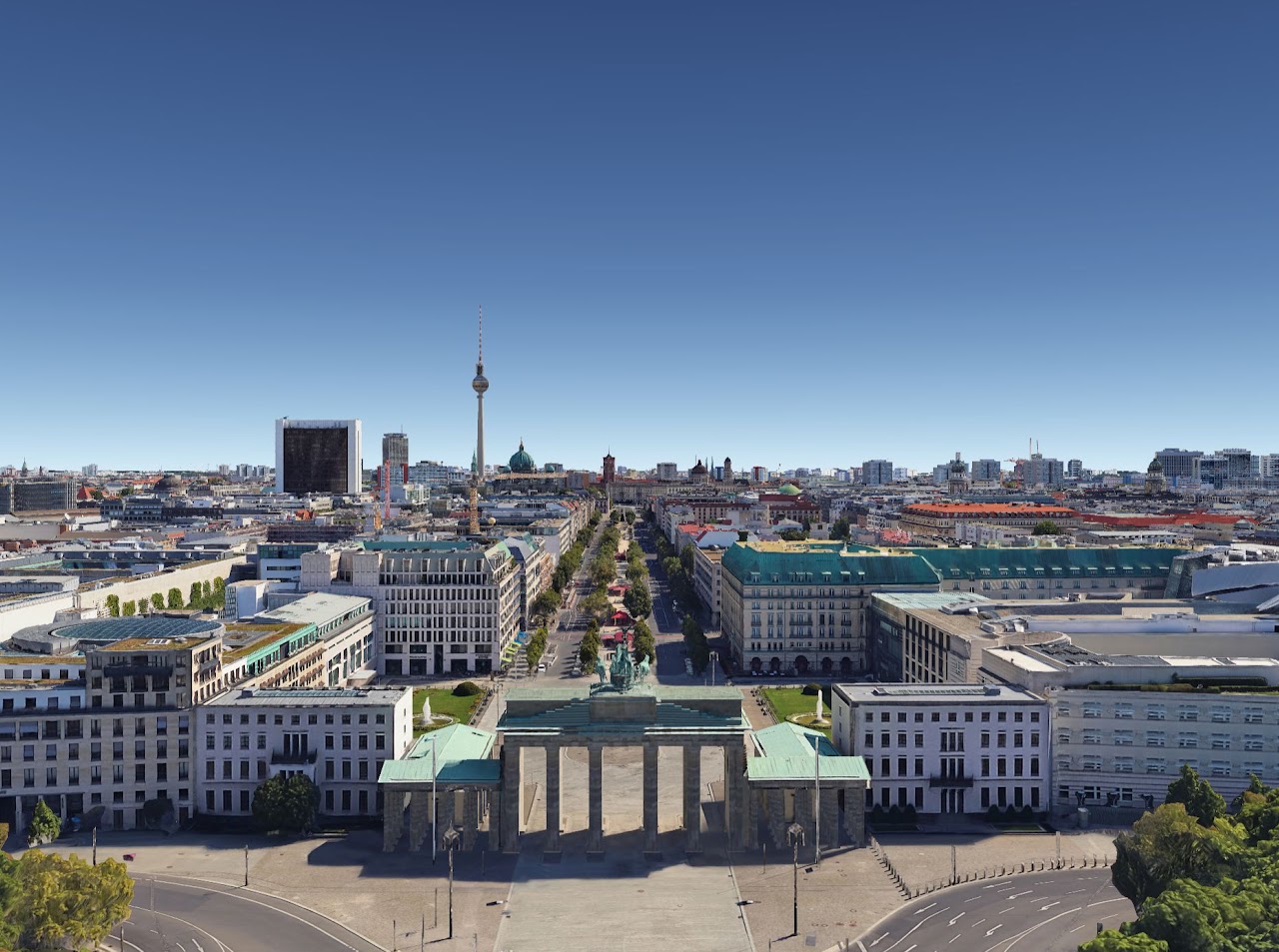
The courtyard, or hayat, is one of the strongest spatial ideas in Anatolian domestic life. It creates privacy without isolation and openness without exposure. That logic still matters. In cities, it can survive in shared courtyards (like the "Hof" in Germany, or the block parks in New York City like Bryant Park), inward-looking housing clusters, and semi-private communal spaces. In rural areas, it remains one of the best ways to organize daily life around climate, family, and seasonal rhythms.
- Ornation in Stone and Wood
Ornament should not be random decoration but a sign of care, craft, and cultural memory. Stone carving, wood detail, and subtle patterning give warmth to a building without turning it into excess. In cities, this can appear in facades, entrances, railings, and interiors without much cost if done selectively. In rural areas, it can continue vernacular craft traditions in a more disciplined modern form.
- Simplicity and Warmth in Furniture
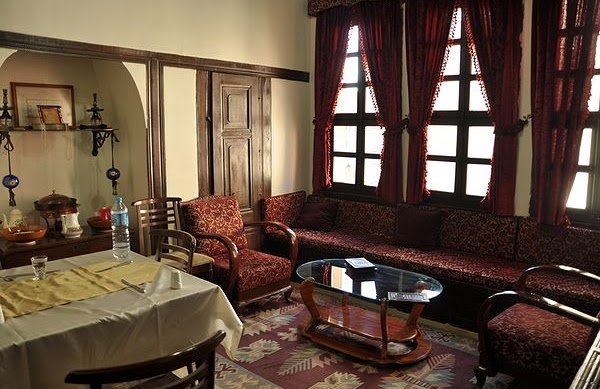
Furniture should feel calm, useful, and grounded. Simplicity does not have to mean coldness. Built-ins, natural textures, soft colors, and solid craftsmanship create interiors that feel humane rather than disposable. In cities, this is especially important because smaller homes need peace and clarity. In rural areas, it allows interiors to remain modest but deeply livable.
What matters is not copying old forms literally, but carrying their values into the present. Modern cities still need privacy, greenery, warmth, and human scale. Rural areas still need dignity without kitsch. A real fusion would take lessons from vernacular Anatolia, the Prairie School, and well-designed places elsewhere in the world, then translate them into contemporary life without losing their soul.